








- Main
- FAQ
- General questions about indexing
- What is website indexing?
What is website indexing?
Website indexing is the process by which a search engine finds website pages, analyzes their content, and adds information about them to its database. Only then does the page have a chance of appearing in search results for relevant user queries. If a page isn't indexed, it doesn't actually participate in organic search: users won't be able to find it through Google, Bing, Yandex, or another search engine, even if the page itself is accessible via a direct link.
The indexing process typically consists of several stages. First, the search engine robot must locate the URL. It can find it through the site's internal links, sitemap.xml, external links, Google Search Console, or other signals. The robot then goes to the page and crawls it, checking the server response code, content, headers, meta tags, canonical tags, robots.txt, loading speed, HTML structure, and other technical parameters. After this, the search engine decides whether to add the page to the index and for which queries it might be useful.
It's important to understand that discovering a page and indexing it are not the same thing. A search engine may be aware of a URL's existence but not add it to its index. For example, in Google Search Console, such situations are often displayed as "Discovered - currently not indexed" or "Crawled - currently not indexed." This means that Google has either discovered the page but hasn't yet fully crawled it, or has already crawled it but doesn't consider it valuable enough to be included in the index.
Indexing is influenced not only by the technical availability of a page but also by its quality. A page must be accessible to search engines, not have a noindex meta tag, not be blocked by robots.txt, not return 404, 403, or 500 errors, and preferably have unique and useful content. Internal linking, presence in a sitemap, external links, and overall domain reputation also help.
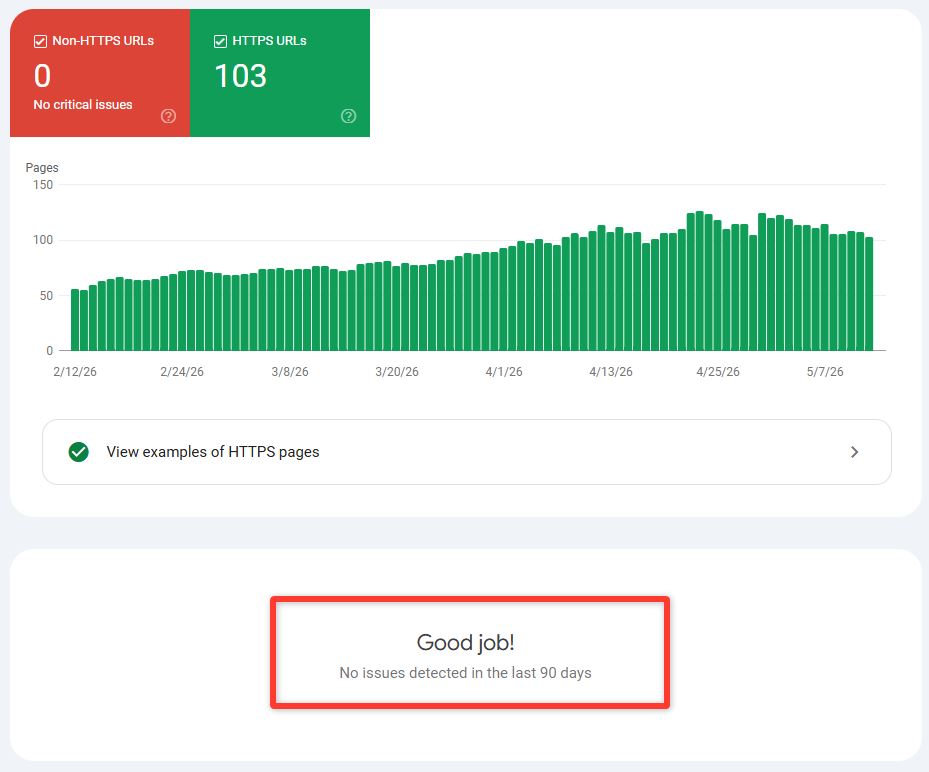
For SEO, indexing is a fundamental requirement for website visibility. You can create high-quality content, optimize the title and description, set up microdata, and acquire backlinks, but if a page isn't indexed, it won't generate organic traffic. Therefore, monitoring indexing is especially important for new websites, online stores, large catalogs, blogs, news projects, and pages created for SEO promotion.
Indexing acceleration services help speed up the URL's progress toward search engine crawling and increase the likelihood that a crawler will visit the page. However, the final decision on whether to add a page to the index always rests with the search engine. Therefore, the best strategy is to combine a technically sound website, high-quality content, competent interlinking, and regular indexing monitoring.